
- د. أحمد منصور
تمارين وتعديلات نمط الحياة للتعامل مع تقوس الساقين لدى البالغين
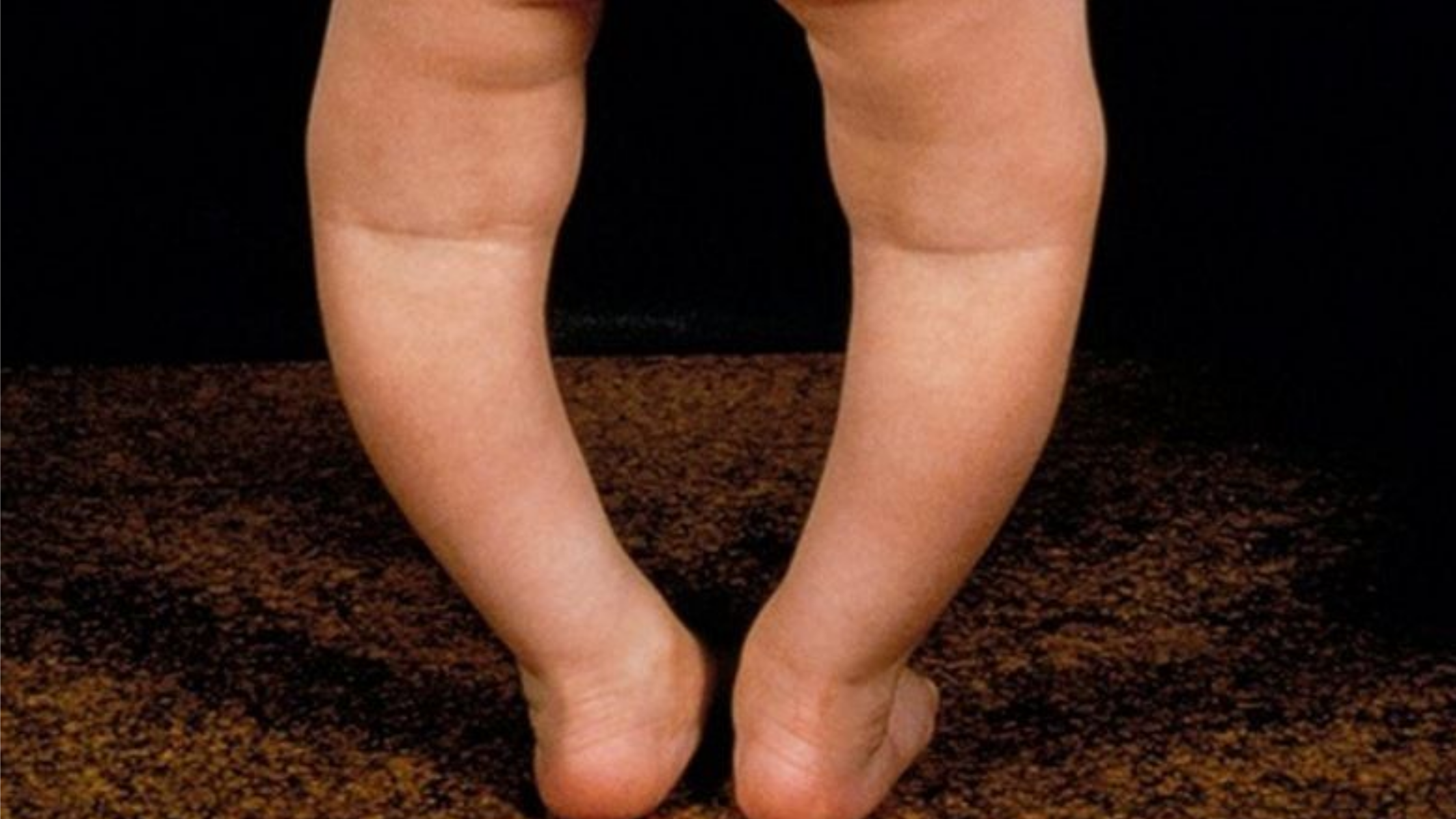
بينما تتطلب حالات تقوس الساقين (الركبة الفحجاء) الشديدة لدى البالغين تدخلاً جراحياً في العادة، يمكن للعديد من المرضى تحقيق تحسن كبير في الأعراض من خلال برامج التمارين المستهدفة، والتعديلات البيوميكانيكية، وتعديلات نمط الحياة. لن تعكس هذه الأساليب التحفظية تشوه الهيكل العظمي، لكنها يمكن أن تحسن التوازن العضلي، وتقلل الألم، وتعزز الاستقرار، وربما تؤخر الحاجة إلى التدخل الجراحي.

تقوية العضلات المستهدفة
يخلق تقوس الساقين عدم توازن بين عضلات الفخذ الداخلية والخارجية. ركز على تقوية العضلة المائلة الوحشية الواسعة (VMO) – وهي العضلة الرباعية الداخلية ذات الشكل الدمعي – لتحسين تتبع الرضفة واستقرار الركبة الإنسي. في الوقت نفسه، تعامل مع أوتار المأبض الضيقة وضعف عضلات المختطفة للورك التي تساهم في النمط البيوميكانيكي. يجب أن تكون التمارين منخفضة التأثير لتجنب تفاقم إجهاد المفصل.
- تفعيل العضلة المائلة الوحشية الواسعة (VMO): تمديدات الركبة النهائية، تمارين الرباعية ذات القوس القصير
- تقوية عضلات مختطفة الورك: رفع الساق في وضع الجانب، تمارين قوقعة المحار
- تقوية أوتار المأبض والألوية لدعم السلسلة الخلفية
إعادة تدريب المشي وتعديل أنماط الحركة
يطور العديد من الأفراد ذوي الساقين المقوستين أنماط مشي تعويضية تزيد من إجهاد المفصل. يمكن لتحليل المشي تحديد التشوهات مثل التباعد المفرط لأصابع القدم للخارج، الدفع الجانبي أثناء تقبل الوزن، أو الدفع غير الكافي. تركز إعادة التدريب على الحفاظ على تقدم محايد للقدم، وحركة الركبة المتحكم بها أثناء مرحلة الوقوف، ونقل الوزن بشكل سليم. يعزز استخدام المرايا أو التغذية الراجعة المرئية الوعي.

"الإدارة التحفظية لتقوس الساقين لدى البالغين ليست حول تصحيح محاذاة العظام — بل هي حول تحسين كل شيء حول العظام لتحسين الوظيفة وتقليل الأعراض." — مجلة أبحاث الميكانيكا الحيوية، 2025
الأجهزة الداعمة وتعديل النشاط
تعمل دعامات التفريغ على نقل الوزن من الحجرات الإنسية التالفة إلى المناطق الخارجية الأكثر صحة، مما يوفر تخفيفاً للألم أثناء الأنشطة. يقلل ارتداء الأحذية المناسبة ذات الدعم الإنسي والوسادة من التأثير. يتضمن تعديل النشاط اختيار تمارين منخفضة التأثير (السباحة، ركوب الدراجات) بدلاً عن التمارين عالية التأثير (الجري، القفز)، وتجنب الأوضاع التي تزيد من إجهاد التقوس مثل القرفصاء العميقة مع وقفة ضيقة.
- دعامات التفريغ: المؤشرات والاستخدام السليم
- اختيار الأحذية: ميزات الثبات، الوسادة، خيارات النعل الطبي
- تعديل النشاط: الأنشطة الموصى بها مقابل الأنشطة التي تتطلب حذراً