
- د. أحمد منصور
السباحة الصيفية 2025: أفضل التمارين المائية لصحة المفاصل
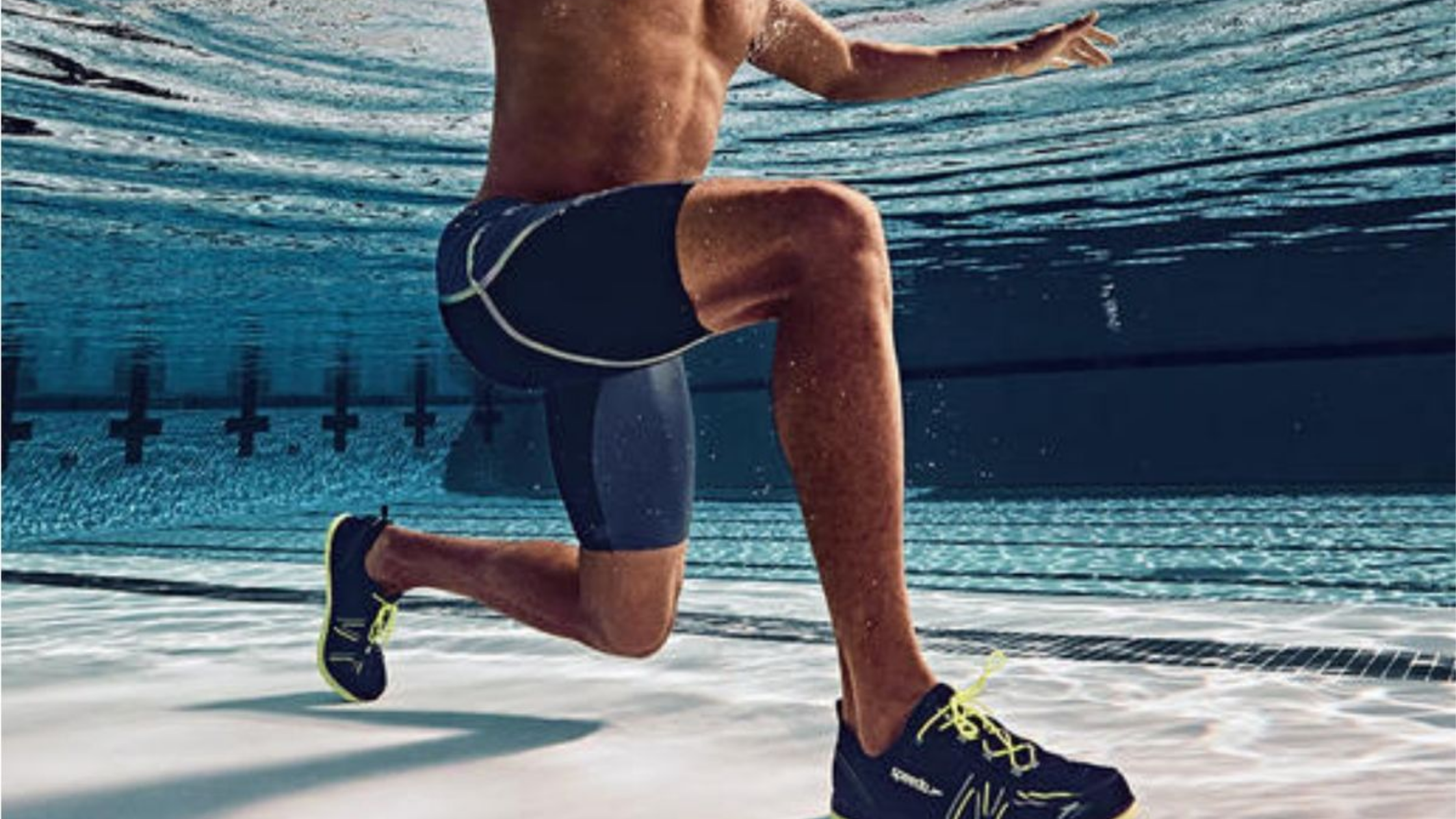
تجعل الطفو الطبيعي للماء ومقاومته التمارين المائية مثالية لإدارة التهاب المفاصل، وإعادة التأهيل من الإصابات، والحفاظ على المفاصل بشكل عام. مع ارتفاع درجات الحرارة في عام 2025، تتحول الأحواض والبحيرات والمحيطات إلى بيئات علاجية. يوضح هذا الدليل التمارين المائية المبنية على الأدلة التي تزيد الفوائد مع تقليل المخاطر للأفراد الذين يعانون من حالات عظمية مختلفة.

العلاج المائي لإدارة التهاب المفاصل
يساعد الماء الدافئ (حوالي 88-92 درجة فهرنهايت) على استرخاء العضلات، وزيادة الدورة الدموية، وتقليل تيبس المفاصل. بالنسبة لمرضى خشونة المفاصل، يمكن لتمارين نطاق الحركة اللطيفة في الماء تحسين الحركة دون تفاقم الألم. كما توفر مقاومة الماء تدريباً طبيعياً على القوة ألطف على المفاصل من التمارين البرية.
- المشي في الماء: أنواع متقدمة، وتراجعية، وجانبية
- تمارين لطيفة لنطاق الحركة للمفاصل المتصلبة
- تمارين للجزء العلوي من الجسم باستخدام مقاومة الماء
إعادة التأهيل المائي بعد الجراحة
بعد جراحة استبدال المفصل أو الجراحة العظمية، يوفر الماء بيئة آمنة لإعادة التأهيل المبكر. يقلل الطفو من إجهاد تحمل الوزن بنحو 50% في الماء حتى مستوى الصدر، مما يسمح بالتنقل المبكر. استشر دائماً جراحك أو أخصائي العلاج الط بيعي قبل بدء العلاج المائي بعد الجراحة.

تقنيات السباحة للحفاظ على المفاصل
ليست جميع ضربات السباحة متساوية بالنسبة للحالات العظمية. تعد السباحة الحرة وسباحة الظهر بشكل عام لطيفة على المفاصل، بينما قد تزيد سباحة الصدر من مشاكل الركبة. التقنية السليمة ضرورية – يمكن للعمل مع مدرب سباحة أو أخصائي علاج طبيعي ملمّ بالقيود العظمية أن يساعد في تكييف ضربات السباحة للاحتياجات الفردية.
- تعديلات ضربات السباحة للقيود المفصلية المحددة
- تقنيات التنفس لتقليل إجهاد الرقبة
- اعتبارات السباحة في المسبح مقابل المياه المفتوحة