
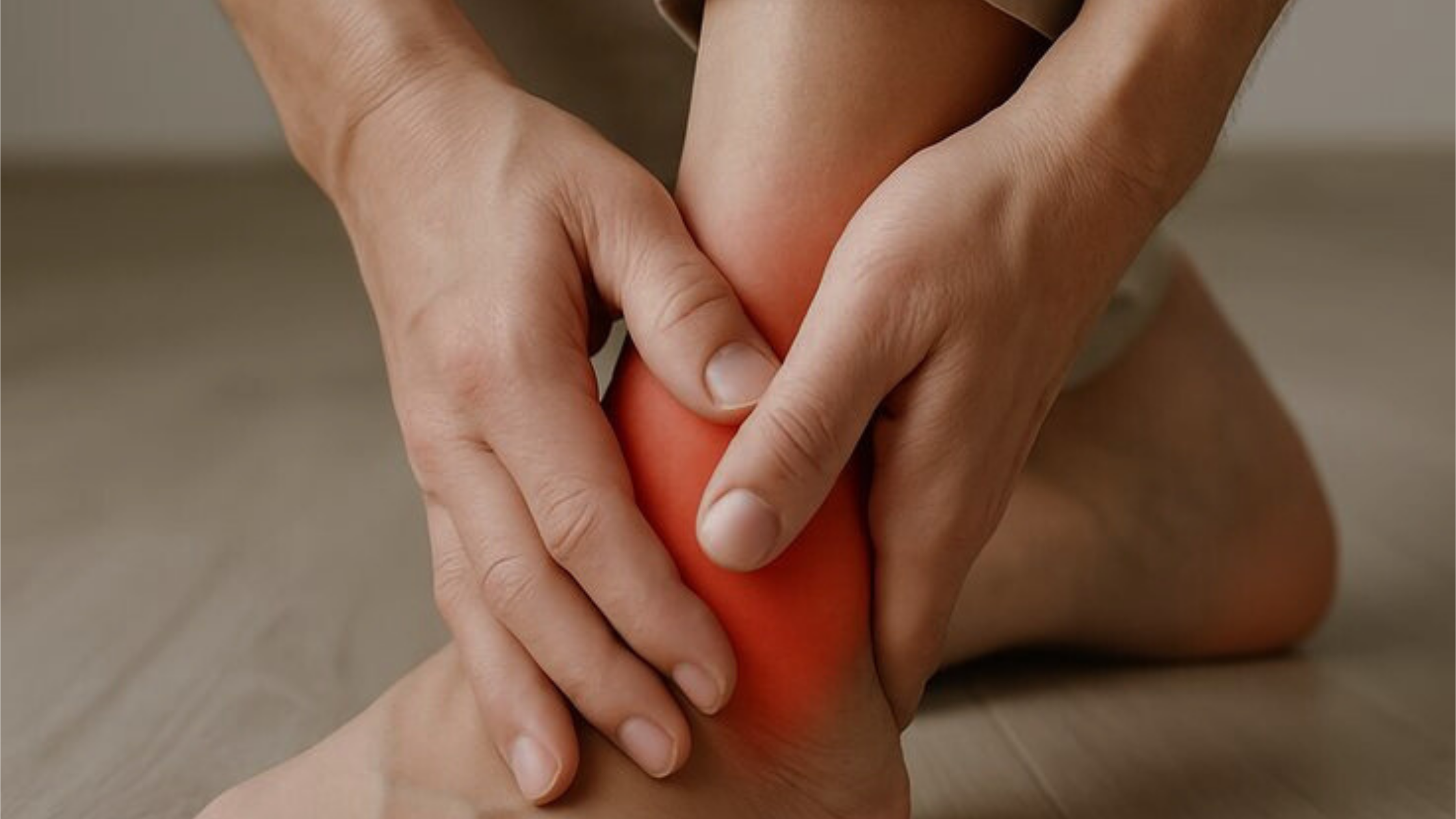
- د. أحمد منصور
اليوم العالمي للسكري 2025: أساسيات العناية العظمية بالقدم
تمثل مضاعفات القدم السكرية أحد أكثر عواقب مرض السكري التي يمكن الوقاية منها وأكثرها تدميراً. من خلال الرعاية العظمية المناسبة، والمراقبة الدورية، والتثقيف الصحي للمريض، يمكن تجنب معظم قرح القدم السكرية والبتر اللاحق. يوضح دليل 2025 هذا إستراتيجية شاملة للحفاظ على القدم تجمع بين الإدارة الطبية، والرعاية الوقائية، وتقنيات التدخل المبكر.

بروتوكول الفحص اليومي للقدم
غالباً ما يلغي الاعتلال العصبي الإحساس بالألم، مما يجعل الفحص البصري أمراً بالغ الأهمية. استخدم مرآة لفحص جميع أسطح القدم يومياً، للتحقق من الاحمرار، أو التورم، أو البثور، أو الجروح، أو التغيرات في درجة الحرارة. انتبه بشكل خاص للمناطق بين الأصابع ونقاط الضغط. أي شذوذ يستمر لأكثر من 24 ساعة يستدعي التقييم المهني – فحتى التأخير لبضعة أيام في الرعاية يمكن أن يغير النتائج بشكل كبير.
- تقنية الفحص المنهجي: أعلى القدم، باطنها، الجوانب، بين الأصابع
- علامات التحذير التي تتطلب عناية فورية
- أدوات الفحص الذاتي: عدسة مكبرة، مرآة ذات مقبض
اختيار الأحذية المناسبة وتعديلها
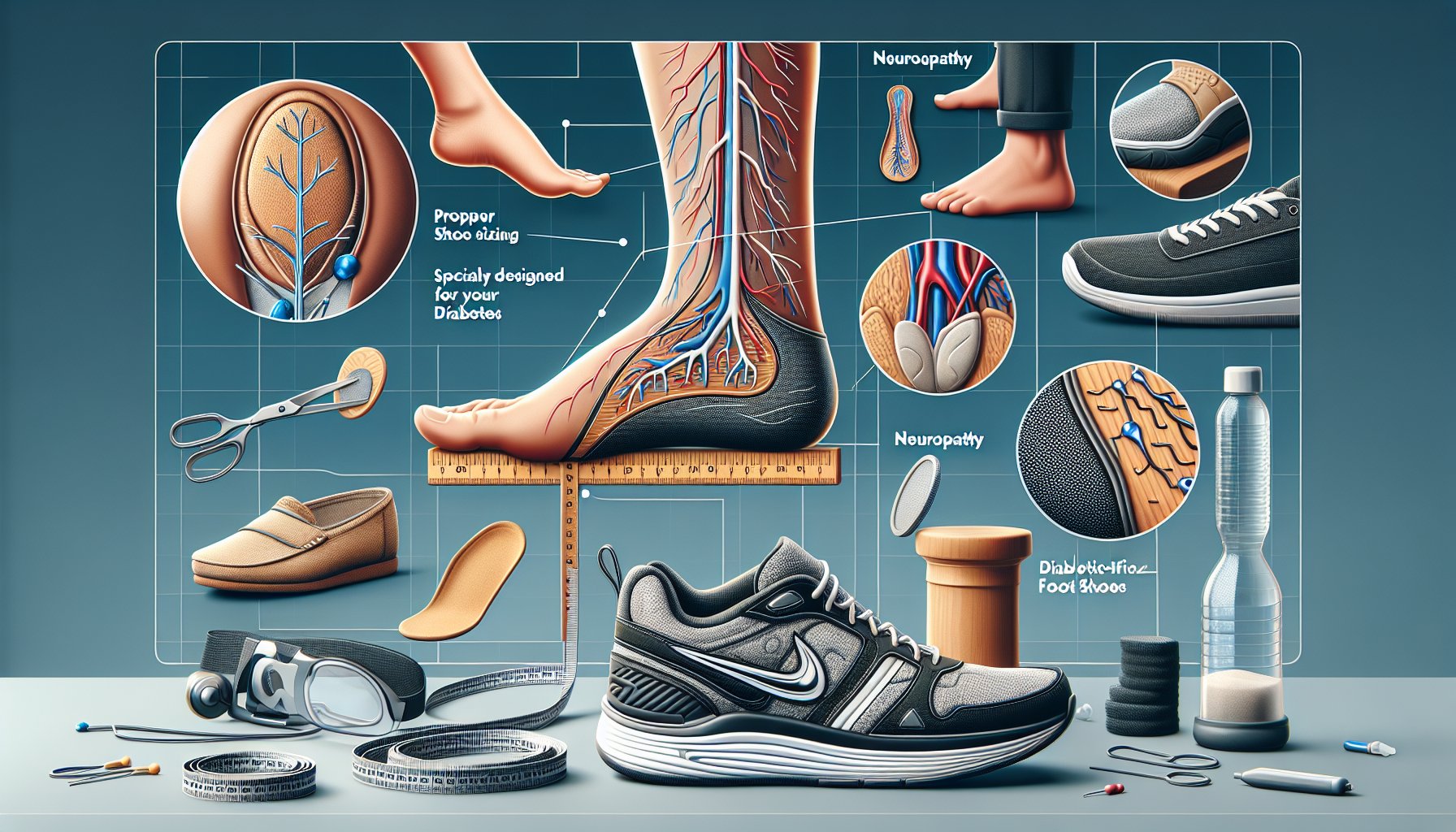
تتطلب الأقدام السكرية أحذية ذات عمق وعرض ووسادة كافية. يتضمن معيار عام 2025 وجود بطانة داخلية بدون لحامات، ونعل صلب لتقليل الضغط، وإغلاق قابل للتعديل. قد تكون الأجهزة الطبية (النعال) المخصصة ضرورية في حالات التشوهات الكبيرة. توفر الجوارب "الذكية" الأحدث ذات مجسات الرطوبة والنعال الداخلية لمراقبة الضغط حماية إضافية للأفراد المعرضين لخطر كبير.
"في رعاية القدم السكرية، يكون العلاج الأغلى تكلفة دائماً أرخص من أرخص عملية بتر. الوقاية ليست مجرد وسيلة فعالة من حيث التكلفة – بل هي مُغيّرة للحياة." — الاتحاد الدولي للسكري، 2025
تطورات العناية بالجروح لقرح السكري
عندما تتطور القرح بالفعل، يجلب عام 2025 خيارات متقدمة للعناية بالجروح تشمل العلاج بالضغط السلبي، والضمادات الحيوية النشطة مع عوامل النمو، وعلاج الأكسجين عالي الضغط. يجمع النهج متعدد التخصصات بين تقييم الأوعية الدموية، ومكافحة العدوى، وتفريغ الضغط، وتحسين الأيض. يحسن التحويل المبكر إلى مراكز العناية بالجروح المتخصصة من معدلات الشفاء ويقلل من الحاجة إلى التنويم في المستشفى.
- ضمادات الجروح المتقدمة: الهيدروجيل، الكولاجين، الضمادات المشبعة بالفضة
- تقنيات تفريغ الضغط: الجبائر ذات التلامس الكلي، المشايات القابلة للإزالة
- تكوين فريق العناية بالجروح متعدد التخصصات