
- د. أحمد منصور
العودة إلى المدرسة 2025: دليل وضعية الجسم العظمية للطلاب
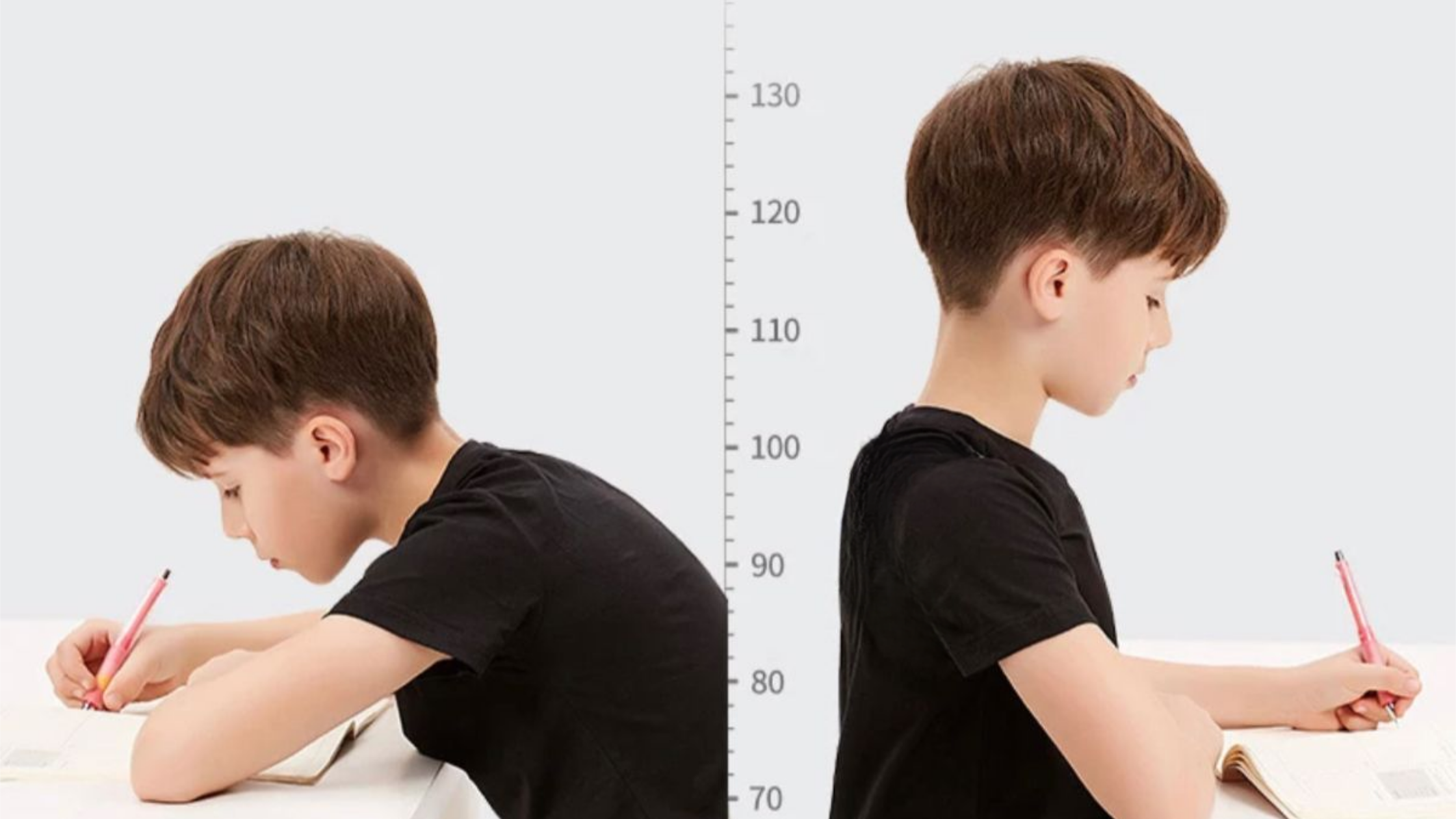
تتضمن حياة الطالب الحديثة ساعات من الجلوس، والوقت أمام الشاشات، والحقائب المدرسية الثقيلة – وهي عوامل مثالية لتطور مشاكل الوضعية التي يمكن أن تستمر حتى مرحلة البلوغ. يتناول دليل 2025 هذا التحديات العضلية الهيكلية الفريدة التي يواجهها طلاب اليوم، ويقدم استراتيجيات قابلة للتنفيذ للآباء والمعلمين والطلاب أنفسهم لتعزيز النمو الصحي خلال سنوات النمو الحرجة.

سلامة الحقيبة المدرسية في العصر الرقمي
على الرغم من زيادة التعلم الرقمي، تبقى الحقائب المدرسية ضرورية – ومشكلة أيضًا. المبدأ التوجيهي لعام 2025: لا يجب أن تتجاوز الحقيبة المدرسية 10-15٪ من وزن جسم الطفل. يجب ارتداء كلا حمالتي الكتف لتوزيع الوزن بشكل متساوٍ، ويجب أن تستقر الحقيبة في انحناء أسفل الظهر، وليس متدلية نحو الأرداف. ضع في اعتبارك الحقائب ذات العجلات للطلاب الذين يحملون أحمالاً ثقيلة أو لديهم مشاكل في الظهر بالفعل.
- حد الوزن: أقصى حد 10-15٪ من وزن الجسم
- الارتداء السليم: كلا الحمالتين، مضبوطتين لتناسب طول الجذع
- إستراتيجية التعبئة: أثقل العناصر أقرب إلى الظهر
وقت الشاشة والوقاية من "رقبة التكنولوجيا"
تضع وضعية الرأس الأمامية، أو "رقبة التكنولوجيا"، ضغطًا هائلاً على هياكل العمود الفقري العنقي. فلكل بوصة تتحرك فيها الرأس للأمام من المحاذاة المحايدة، يزداد الوزن الفعال على الرقبة بحوالي 10 أرطال. علّم الطلاب وضع الأجهزة على مستوى العين، وأخذ فترات راحة متكررة باستخدام قاعدة 20-20-20 (كل 20 دقيقة، انظر إلى شيء على بعد 20 قدماً لمدة 20 ثانية)، وإدماج تمارين سحب الذقن وضغط لوحي الكتف في روتينهم.

"غرس عادات الوضعية الصحية خلال سنوات الدراسة هو استثمار يدفع أرباحاً طويلة الأمد في صحة الجهاز العضلي الهيكلي." — بيان جمعية تقويم عظام الأطفال، 2025
بيئات التعلم النشط
أصبح الجلوس الثابت التقليدي معترفاً على نحو متزايد بأنه ضار. تدمج المدارس التي تعتمد أفضل الممارسات لعام 2025 الحركة في يوم التعلم من خلال المكاتب الواقفة، الكراسي المتذبذبة، "فترات الراحة الحركية" المجدولة، والأنشطة الصفية التي تشجع على تغيير الوضعية. حتى التغييرات الصغيرة – مثل جعل الطلاب يقفون خلال دروس معينة أو دمج التمدد بين الحصص – يمكن أن تقلل بشكل كبير من إجهاد الجهاز العضلي الهيكلي.
- مقاعد بديلة: مكاتب واقفة، كرات التوازن، كراسي متذبذبة
- دمج الحركة: فترات راحة للدماغ، ألعاب التعلم النشط
- تصميم الفصل الدراسي: مساحات مرنة لوضعيات متنوعة